
Righteous Clothing Brand: A Closer Look: Is It Worth the Hype?
Given that search interest surrounding We Are Righteous has grown at a steady pace: does it genuinely hold up, or is clever marketing outrunning the real product? Here, we examine what the label stands for, how the clothing performs in practice, and where it sits against other streetwear labels people compare it to. Cutting out filler and hollow praise — just an honest breakdown built from the brand’s own messaging and what shoppers consistently report.
More than just a clothing line, We Are Righteous presents itself. It draws heavily on faith-driven messaging, treating clothing as a channel for identity and belief instead of merely seasonal trends. This focus is significant since it influences all aspects, from the graphics on a righteous hoodie to the tone of the brand’s product descriptions. If you’re shopping for something purely trend-based, the message-driven approach may fall flat. If your goal is apparel with a clear statement, it’s an entirely separate matter.
Defining Righteous Clothing
At its core, Righteous clothing follows one simple idea: streetwear silhouettes carrying faith-rooted imagery and wording. Hoodies, tees, and outerwear form the core of the lineup, with designs that lean toward bold typography and expressive imagery over minimalist branding. This is far from a subdued, basics-only label — every garment is designed to make a statement the moment it catches the eye.
The brand’s positioning taps into a niche that has grown substantially righteous baggy sweatpants over the past few years: faith-based streetwear. Unlike traditional Christian apparel brands that lean heavily on scripture references and church-merch aesthetics, We Are Righteous brand design draws more heavily from contemporary streetwear norms — loose, oversized cuts, heavyweight fabrics, and graphic placement that mirrors what you’d see from mainstream hype labels. That crossover is part of why the brand keeps appearing in comparison searches in the same breath as bigger streetwear names.
Releases tend to be scarce rather than continuous, which fuels demand but also means replenishment isn’t certain. For shoppers used to fast fashion’s endless availability, this can be something to get used to. If you’re already accustomed to drop culture, it’s a familiar rhythm that contributes to the brand’s collector appeal.
Quality: What Shoppers Actually Notice
Quality conversations around any apparel brand tend to zero in on three things: fabric weight, stitching durability, and print longevity. In the case of righteous apparel, hoodies are the most frequently mentioned piece, and the overall feedback points to a heavier-than-average fabric blend that retains its form after multiple washes. That heavier weight is a purposeful design call — it conveys a premium feel rather than a flimsy, factory-standard hoodie that starts pilling within weeks.
Print quality is the next big consideration. Labels built around bold graphics rise or fall by the degree to which the graphics hold up through frequent laundering. Prints that crack, fade, or peel are what most rapidly damages consumer trust, and this is the aspect that critics tend to inspect right away. Honest online review threads repeatedly point out that the graphics hold up reasonably well when laundered per the care label, though similar to the majority of screen-printed or puff-printed pieces, inside-out washing on cold extends the print’s life considerably.
A close fit won’t be what you’ll get if you pick your usual size, since sizing here follows baggy streetwear standards— so size down if that’s your preference. Such fit behavior is common practice throughout the majority of streetwear-inspired brands, so this isn’t a red flag particular to this brand — it’s merely a fit approach purchasers need to know beforehand prior to purchase.
The Way Cost Maps To Perceived Benefit
Based on which segment a brand sits in, perceived worth changes in kind. We Are Righteous occupies the mid-tier streetwear segment — costing more than fast-fashion staples yet less than premium designer streetwear team-ups. The brand’s middle-ground positioning was chosen on purpose. Because of this positioning, the brand can lean into thicker fabrics and richer print work, compared to what a budget label offers — without losing a style-savvy younger audience who won’t pay designer prices for a hoodie.
Restricted releases also influence perceived value. Scarcity tends to increase resale interest and brand loyalty, something streetwear culture has leaned on for over a decade. Depending on personal priorities, this scarcity model can be regarded as a strength by those who value exclusivity, whereas it may irritate anyone expecting reliable restocking.
Where the Righteous label Stacks Up With Rival Streetwear Labels
Two types of brands We Are Righteous is frequently mentioned alongside—trend-centric streetwear names and conventional faith-driven clothing brands—offer a clearer frame of reference for making sense of the brand’s market stance.
| Comparison Point | We Are Righteous | Popular Streetwear Hype Brands | Conventional Religious Apparel |
|---|---|---|---|
| Creative Direction | Faith-fueled statements combined with streetwear cuts | Trend-driven, seasonal prints | Scripture-heavy, church-merch aesthetic |
| Textile Density | Sturdy hoodies and t-shirts | Fluctuates widely depending on label and cost tier | Frequently lighter, price-conscious material |
| Release Structure | Restricted drops, replenishments never assured | Scarce drops, strong resale interest | Generally continuously stocked |
| Price Bracket | Moderate street-style cost | Mid to high-end, frequently driven up by hype | Budget to mid-tier |
| Audience Fit | Belief-driven, style-conscious buyers | Trend-chasing, hype-driven shoppers | Ministry circles, everyday religious apparel buyers |
This comparison makes one thing clear: We Are Righteous holds a distinct niche rather than trying to be everything. While keeping the values-driven core of traditional faith apparel, it borrows the drop culture and fabric standards that mainstream streetwear is known for. Within the packed apparel market of 2026, that hybrid identity stands as its biggest differentiator.
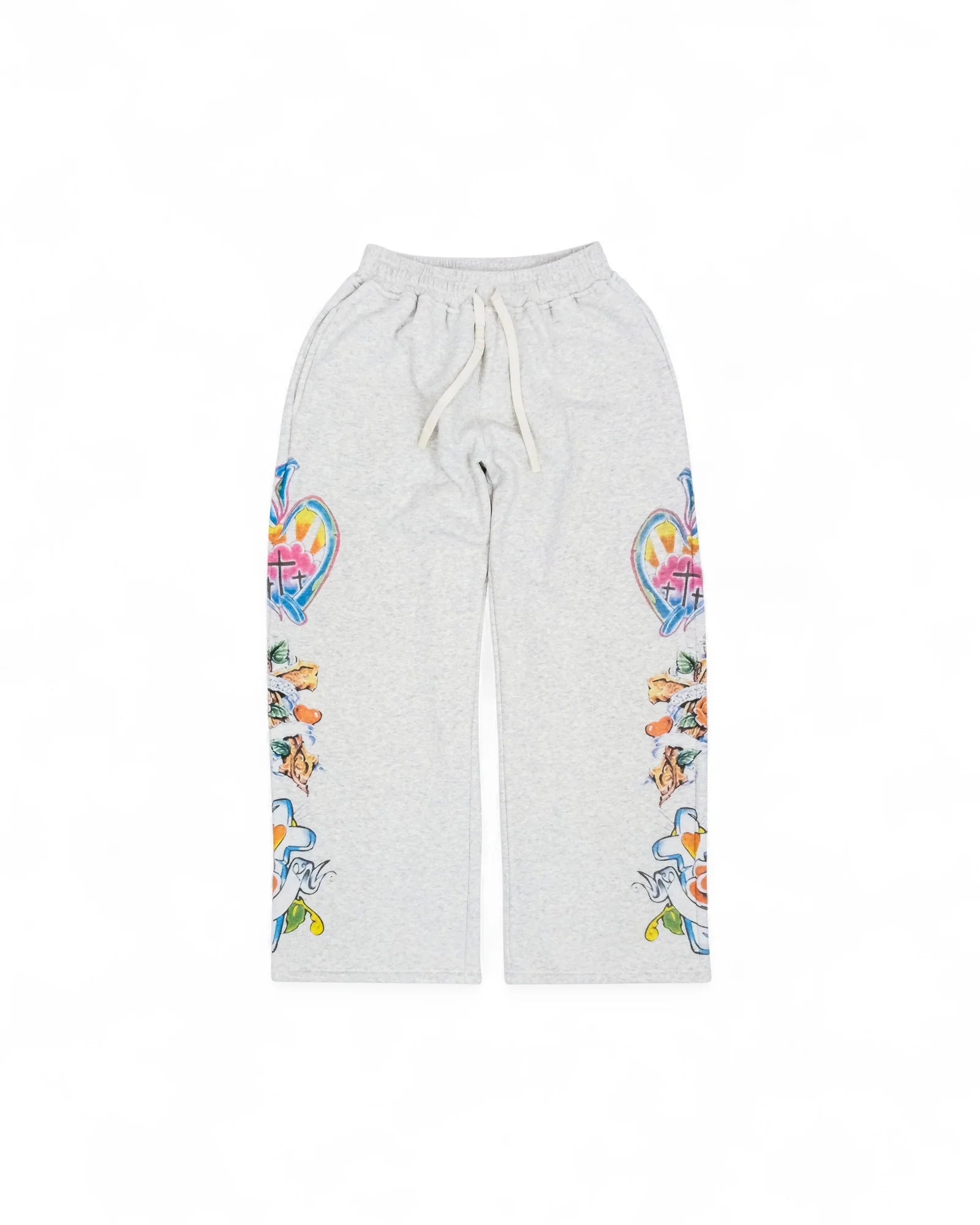
Shoppers Who Ought to Go With Righteous Apparel
Not every brand fits every shopper, and transparency on that point matters more than universal approval. People looking to express their faith in a contemporary yet wearable way will find Righteous clothing fits best — rather than via dated graphic tees, but through items that could be mistaken for elevated streetwear to the casual eye. For shoppers who care about both style and faith, this brand closes that gap better than the majority of alternatives currently on the market.
It also is a good fit for customers who don’t mind holding out for releases or being okay with the fact that a style might not restock. Buyers who need consistent year-round availability, or who place top importance on the most affordable price point, may find the model less convenient. This isn’t a downside so much as an imbalance in what’s expected — streetwear-style release-based models were never structured to offer nonstop stock presence.
Younger buyers, particularly those already engaged with streetwear culture, seem to respond most strongly to the brand’s messaging. The graphic language speaks in a tone that feels current rather than dated, which matters enormously in a category where „faith apparel“ has historically skewed toward older, more conservative design choices.
Final Verdict: Is We Are Righteous Living Up to the Buzz?
We Are Righteous has built its rising reputation without leaning on marketing buzz alone, but via fabric quality, print durability, and a well-established brand identity. The hoodies are built with heavier materials than run-of-the-mill budget streetwear, the artwork stays intact with proper care, and the message reflects authentic intention rather than coming across as a hastily tacked-on fad. This mix is what distinguishes brands that endure from ones that disappear after just one hype cycle.
The place the brand demands patience availability — limited drops mean in-demand pieces can disappear fast and stay hard to find for a while. That’s a fair concern for shoppers who hate waiting or refreshing a site for a restock. But for customers who want streetwear with real depth behind it, We Are Righteous review feedback is largely positive overall, and the brand’s market position in 2026 reads less as a fleeting fad and more as a label finding a defined identity.
Shoppers seeking clothing with real significance are directly who this is aimed at — and to sum up, the hype holds up under scrutiny. This isn’t baseless excitement; it rests on a product that mostly delivers what it promises.